
Fruit for Racing Pigeons: What Actually Helps (and What to Avoid)
I get asked about this a lot, so I wanted to put together a proper rundown. Most racing pigeon diets revolve around grains and seed mixes, and rightly so — that’s where the bulk of their energy comes from. But fruit, offered thoughtfully and in moderation, can be a useful supplement during conditioning, molting, and recovery after a hard race. It’s not going to make or break your season, but used well, it’s a low-risk way to add a little variety to the loft. Here’s a rundown of what actually helps, piece by piece.
Apples
Apples are one of the easiest fruits to work into a loft routine. A small piece — seeds removed — offers natural sugars, fiber, and a bit of vitamin C. That seed removal step isn’t optional, by the way. Apple seeds contain trace cyanogenic compounds, and pigeons should never be given them. Beyond that caveat, apple is a solid, low-fuss option. A lot of fanciers I know use it as a mild digestive aid, and it doubles nicely as a treat during training weeks when you want to reward the birds without overloading them on anything heavy.
Grapes
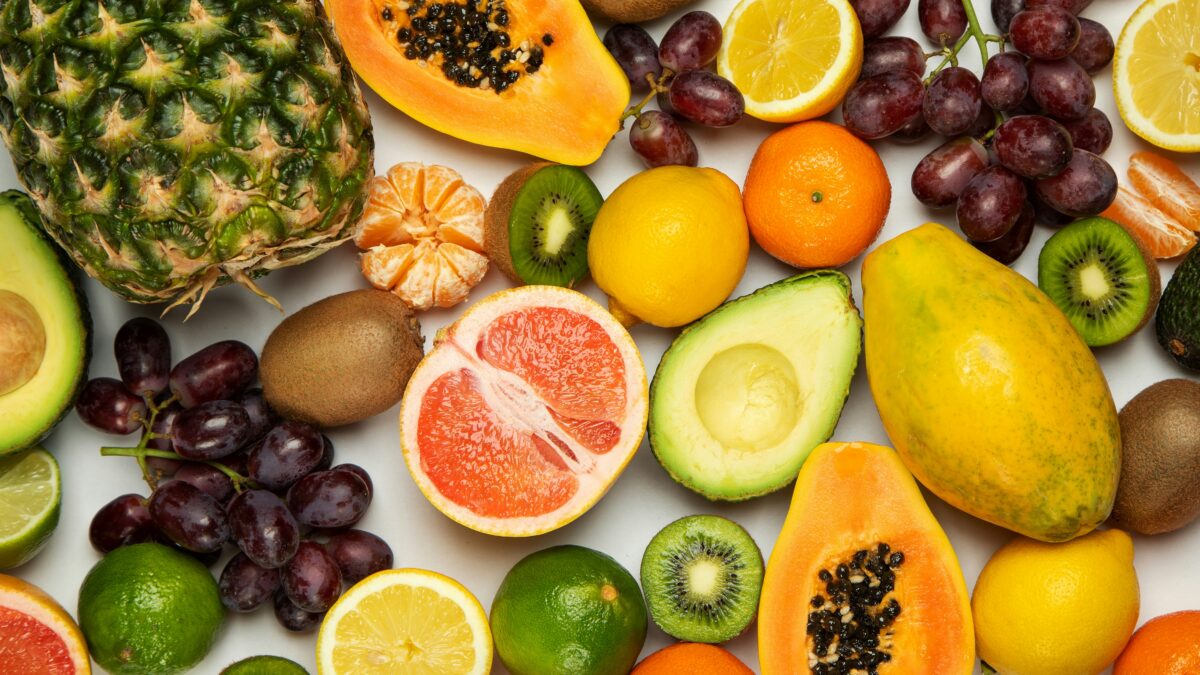
Grapes are a favorite among loft keepers, and it’s easy to see why. They’re easy for the birds to eat, they’re hydrating, and they offer quick-access carbohydrates — which makes them particularly useful in the days leading up to a race, when your birds need energy they can access fast. If you’ve got smaller or younger birds in the loft, cut the grapes in half or quarters before offering them. It just makes things easier on the birds and cuts down on any choking risk.
Berries
Blueberries, blackberries, and strawberries are all safe to offer in small amounts. They’re rich in antioxidants, and some fanciers believe those antioxidants support recovery from oxidative stress after long races. I’ll be honest with you though — the science backing that up is a lot stronger in humans than it is in pigeons specifically, so I’d treat this more as a reasonable, low-risk bonus than a proven performance booster. Either way, birds tend to enjoy them, and there’s no real downside to offering a few here and there.
Oranges (In Moderation)
A few segments of orange can provide a nice hit of vitamin C along with a bit of dietary variety. The catch with citrus is the acidity — because of that, orange should be offered sparingly and never turned into a daily staple. Think of it as an occasional extra rather than a regular part of the rotation.
Bananas
Bananas bring potassium and quick carbohydrates to the table, and they’re generally very well tolerated. I like mashing a small piece into the feed occasionally — it’s easy for the birds to digest and it’s a simple way to work a little extra nutrition into a normal feeding without much effort on your end.
Melon
Watermelon and cantaloupe — flesh only, no rind, and no seeds in any real quantity — make great hydrating treats, especially in hot weather when your birds need extra fluid intake. If you’re dealing with a stretch of summer heat, melon is one of the easiest ways to help your loft stay properly hydrated without changing up their water routine.
A Few Ground Rules
Before you start tossing fruit into the loft, there are a handful of rules worth keeping in mind every time:
- Moderation is key. Fruit should never replace a balanced grain and seed diet — it’s a supplement, not a staple.
- Avoid seeds and pits. Apple seeds, cherry pits, and similar seeds contain compounds that are toxic in quantity.
- Skip avocado entirely. Avocado is toxic to most birds, including pigeons, and should never be offered.
- Fresh and clean. Remove uneaten fruit from the loft within a few hours to avoid mold and pest issues.
- Watch droppings. Introduce any new fruit gradually and keep an eye on your birds’ droppings for signs of digestive upset.
The Bottom Line
Fruit isn’t the backbone of a racing pigeon’s diet, but used well, it’s a low-risk way to add variety, hydration, and a few extra nutrients — particularly useful during molt or the taper before race day. As always, any dietary change is worth introducing gradually and watching how your birds respond. Your loft will tell you pretty quickly what’s working and what isn’t.
